7 Brilliant Insights for Heritage Luxury Real Estate
Heritage luxury real estate represents the most refined intersection of history, culture, and modern living. Unlike contemporary developments, these properties embody centuries of craftsmanship, artistry, and architectural vision. For ultra‑high‑net‑worth individuals, acquiring a heritage estate is not simply a purchase—it is an act of cultural stewardship and a statement of timeless prestige. Yet, investing in such properties requires strategic knowledge to balance historic grandeur with the demands of modern luxury.
As outlined in our foundational manifesto on luxury real estate storytelling, heritage properties embody authenticity and cultural resonance.
Preserve Architectural Legacy
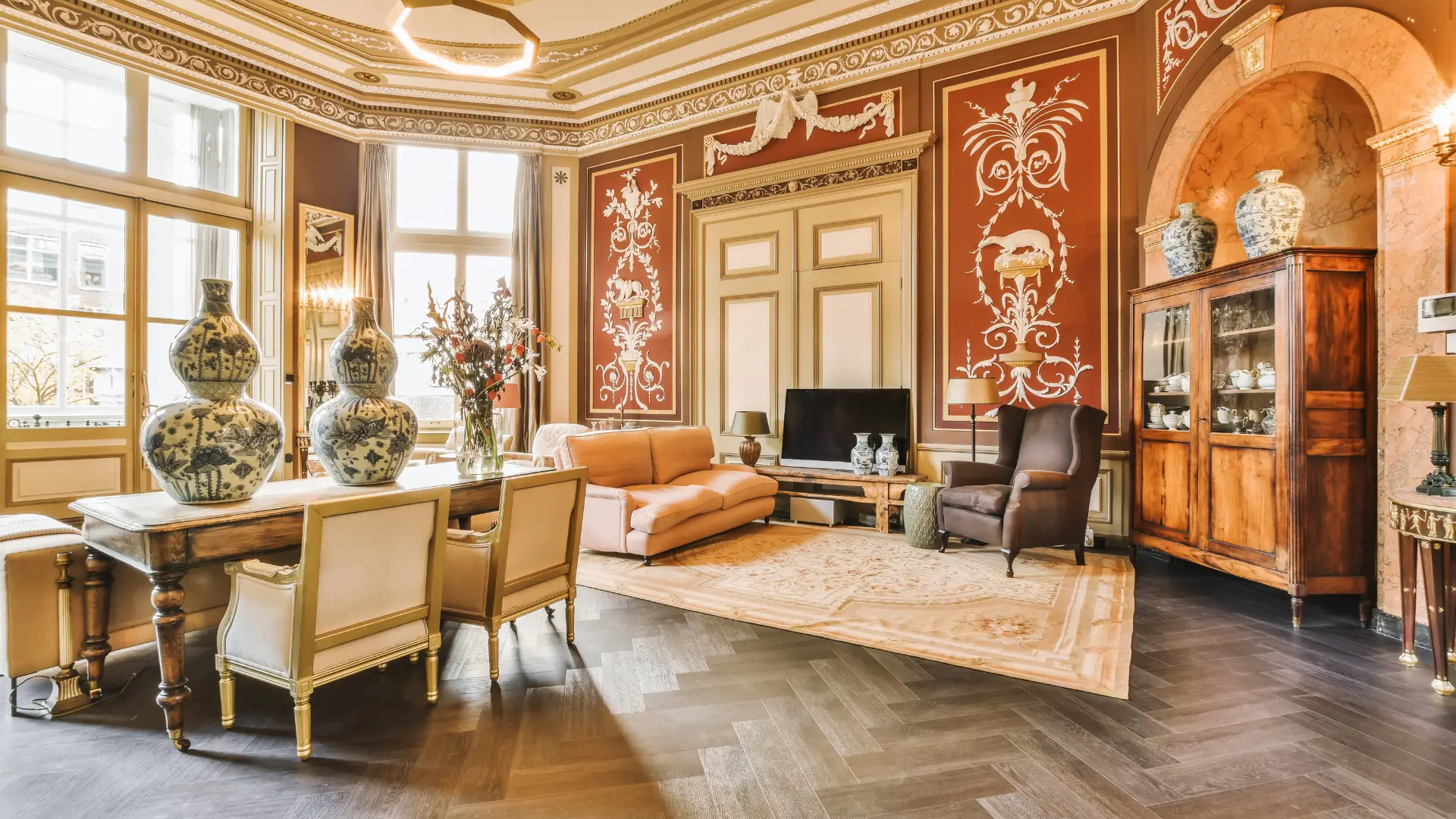
The first strategy is to recognise the intrinsic value of architectural authenticity. Frescoes, vaulted ceilings, stone facades, and artisanal details are irreplaceable. International buyers increasingly seek properties that retain these original features, as they provide a sense of character and uniqueness that no new construction can replicate. Treating the property as a living work of art ensures its global appeal and long‑term value.
Integrate Modern Comforts Seamlessly
Heritage luxury real estate must evolve without losing its soul. Smart home technology, wellness suites, and energy‑efficient systems can be integrated into historic estates without compromising their integrity. The key is subtlety: modern comforts should enhance, not overshadow, the historic charm. This seamless blend of past and present is what makes heritage properties truly desirable in today’s market.
Leverage Location and Cultural Capital
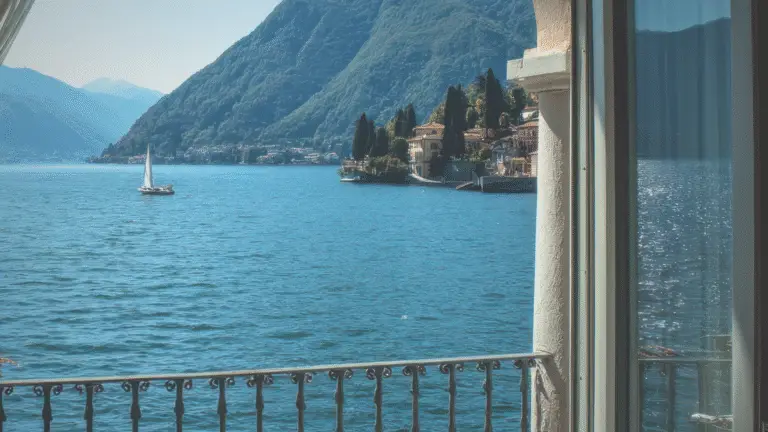
Location is central to the value of heritage estates. Cities such as Florence, Paris, and Vienna, or regions like Tuscany and Sardinia, offer not only architectural beauty but also cultural capital. Buyers are drawn to areas rich in art, gastronomy, and history, where the property becomes part of a larger narrative. Investing in such locations ensures that the estate is not just a residence, but a cultural landmark.
Position as Investment and Legacy
Heritage properties are more than homes—they are intergenerational assets. They carry the potential for value appreciation while serving as symbols of legacy. For UHNWIs, owning a heritage estate places them within an elite circle of cultural custodians. Strategically, these properties diversify portfolios and provide a tangible, enduring asset that transcends market fluctuations.
Investing in historic villas and palazzi means becoming part of a centuries-old narrative, as noted in Art, History and Heritage: the Benefits of Investing in Luxury Real Estate.
These strategies align with the broader ultra-luxury real estate trends shaping 2025, where authenticity and heritage are increasingly valued.
Navigate Challenges with Expertise
Restoring and maintaining heritage estates requires navigating complex regulations and working with specialised artisans. While these challenges may appear daunting, they are also what make the properties exclusive. Selectivity becomes an advantage: the limited availability of prestigious heritage estates ensures that demand consistently outpaces supply. Engaging the right experts transforms obstacles into opportunities for distinction.
According to the Christie’s International Real Estate Global Luxury Forecast 2025, heritage architecture is gaining renewed attention among UHNWIs.
Embrace Sustainability in Restoration
Sustainability is no longer optional in the luxury market. Heritage luxury real estate offers a unique opportunity to combine historic preservation with eco‑conscious innovation. From geothermal systems to sustainable materials, restoration projects can enhance efficiency while respecting tradition. This approach appeals to a new generation of buyers who value both authenticity and responsibility.
Anticipate the Future of Heritage Luxury
The future of heritage luxury real estate lies in authenticity. As global buyers become more discerning, they seek properties with deep stories, cultural resonance, and timeless beauty. Heritage estates are increasingly positioned as the sustainable alternative to disposable luxury, offering permanence in a world of constant change. Their enduring appeal ensures they will remain at the pinnacle of ultra‑luxury living.
Equally, heritage luxury real estate embodies a sense of cultural diplomacy. Owners of these estates often become ambassadors of history, opening their doors to art, philanthropy, and exclusive gatherings that reinforce the property’s role as a living symbol of prestige.
Heritage luxury real estate is not simply about owning a property—it is about curating a legacy. By preserving architectural authenticity, integrating modern comforts, leveraging cultural capital, and embracing sustainability, buyers can unlock the full potential of these extraordinary estates. At TheCharmList, we celebrate how heritage properties embody the ultimate blend of history, culture, and modern luxury.
Heritage estates also reflect the principles of lifestyle integration, blending history with modern comforts for today’s discerning buyers.
“Beyond this article lies a broader perspective: our Comparative Frameworks, curated to reveal how places and properties become cultural icons.”